

Single-use Food Packaging: A Good Choice for Delivery Business
Single-use food packaging has become a key secret weapon for delivery businesses in the modern era. Why is it suitable for food delivery, and what should you consider? Let’s find out together.
Single-use Food Containers: An Option for Delivery Business
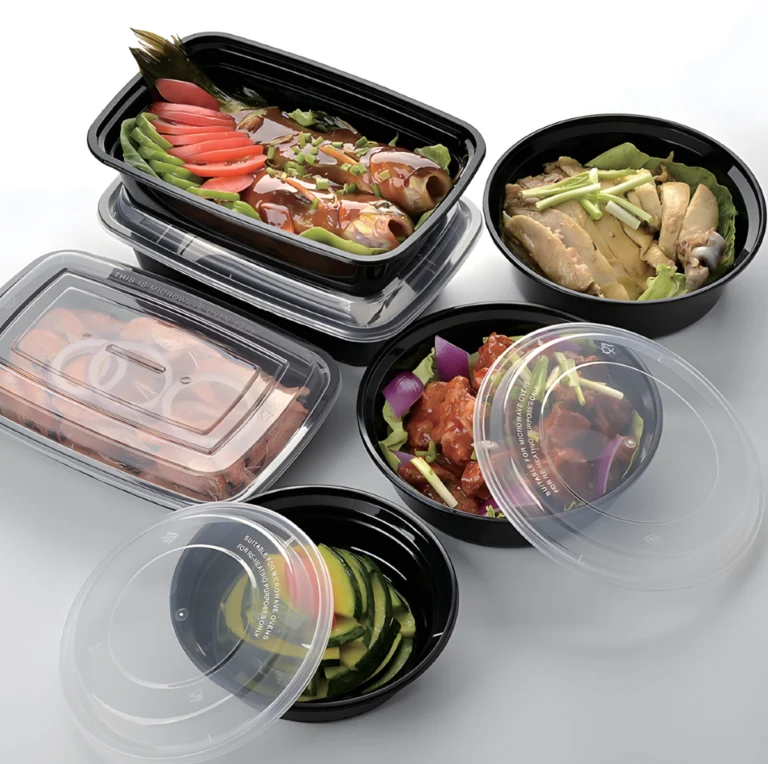
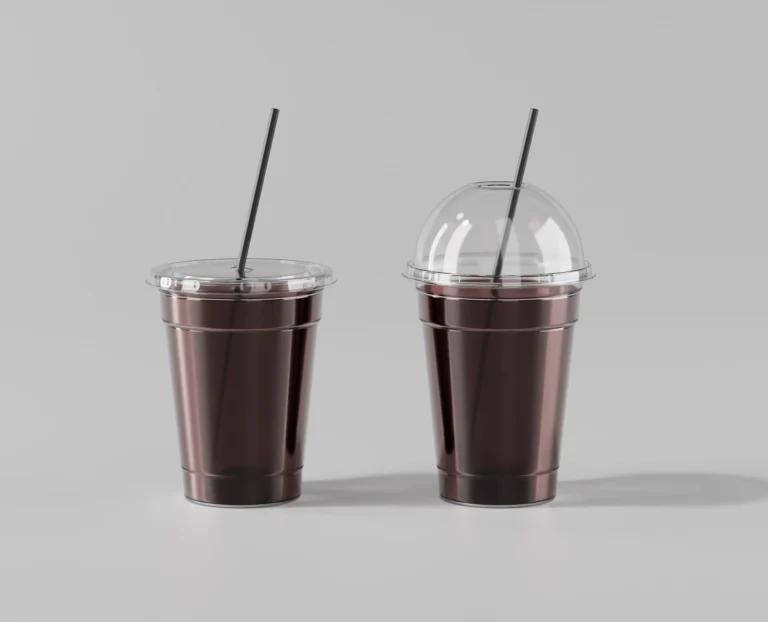
Single-use food containers are packaging designed to be used only once and then discarded. They are often made from materials such as plastic, foam, paper, or biodegradable substances, all of which are suitable for containing food and beverages for transportation.
Main Benefits of Using This Type of Container for Delivery Businesses:
- Convenient and fast, no washing required
- Lightweight and easy to transport
- Inexpensive when bought in bulk
- Available in various sizes and shapes
- Help maintain temperature and food quality during delivery
- Reduce the risk of disease transmission
Popular Materials Used:
- Plastics (PP, PS, PET): Heat-resistant, transparent, inexpensive
- Coated paper: Easily biodegradable, environmentally friendly
- Bagasse (sugarcane pulp): Strong, highly heat-resistant, naturally biodegradable
- Aluminum foil: Excellent at retaining heat, microwave safe
Choosing the right material and design can help enhance food delivery efficiency and impress customers.
Factors in Choosing Food Packaging for Delivery Businesses
When selecting suitable food packaging for delivery businesses, the following factors are important to consider:
Durability and Temperature Retention
Containers must be strong enough to protect food from damage during transportation and able to maintain the temperature of both hot and cold foods. Materials like foam or aluminum foil are excellent for heat retention, while plastic or coated paper can maintain coldness adequately.
Hygiene and Consumer Safety
Consumer safety should come first. Containers must meet safety standards for food contact, not leach harmful chemicals, and offer good leakage protection. They should have tightly closed lids to prevent contamination during transport.
Cost and Long-term Value
Although cheap containers may seem attractive in the short term, you should consider quality and long-term value. High-quality containers may cost more but better maintain food quality, increase customer satisfaction, and encourage repeat business—proving more worthwhile in the long run.
You should also factor in storage and transportation costs; stackable containers help save storage space and reduce shipping costs.
Environmental Impact of Single-use Food Containers
Despite many advantages, single-use containers have unavoidable environmental impacts:
The Problem of Plastic Waste
Single-use plastic containers are a major source of global waste, taking hundreds of years to decompose and often ending up in the oceans, harming marine ecosystems. High volumes used by delivery businesses exacerbate the issue.
More Eco-friendly Alternatives
To reduce environmental impact, delivery businesses can consider greener options such as:
- Biodegradable containers (e.g., bagasse, leaves)
- Easily degradable recycled paper boxes
- Containers made from recycled plastics
- Reusable container systems that customers can return
Waste Management Practices for Food Packaging
Besides opting for eco-friendly materials, businesses can also participate in waste management by:
- Campaigning for customers to properly separate and dispose of waste
- Collaborating with recycling companies
- Reducing unnecessary items like plastic cutlery
- Supporting customers’ use of personal containers
Environmental awareness not only helps reduce negative impacts but also creates a positive image for the business.
Laws and Regulations on Food Packaging
Delivery businesses need to be aware of and comply with food packaging laws and regulations, focusing on key aspects such as:
Food Contact Material Safety Standards
Containers must meet safety standards for food contact materials. In Thailand, the Food and Drug Administration (FDA) regulates this, requiring materials not to release hazardous substances and to withstand their intended temperatures.
Labeling and Traceability Requirements
Food packaging must have labels detailing the material type, usage warnings, and manufacturing code for traceability—important for recall in case of problems.
Trends on Bans of Single-use Plastics
Many countries, including Thailand, are introducing regulations limiting or banning single-use plastics. Delivery businesses should prepare by considering more eco-friendly alternatives such as biodegradable materials or reusable systems.
Compliance with these laws not only helps businesses avoid penalties but also builds consumer trust in safety and social responsibility.
Innovations in Food Packaging
The food packaging industry is constantly evolving to meet changing consumer needs and environmental concerns. Interesting trends include:
- Biodegradable Materials: New materials made from starch or fruit peels can decompose in months instead of hundreds of years.
- Smart Containers: IoT technology enables containers with sensors to detect temperature, humidity, or spoilage, helping both consumers and businesses monitor food quality in real time.
- Minimal Material Designs: Designers create robust containers using less material, like origami folding techniques, or stackable designs for efficient transport and storage.
Such innovations reduce environmental impact and add value and convenience. Delivery businesses that keep up will gain future competitive advantages.
Summary: Choosing the Right Container for Your Business
Selecting the right food container for a delivery business requires consideration of many factors: convenience, cost, and environmental impact. In summary, businesses should:
- Choose containers that best preserve food quality and ensure consumer safety
- Consider long-term cost-effectiveness
- Look for more eco-friendly alternatives
- Comply with all relevant laws and safety standards
- Keep up with new innovations to adapt to market needs
Ultimately, balancing business needs with social responsibility will support long-term sustainability.
Frequently Asked Questions
Which type of single-use container is best for hot food?
Foam or aluminum foil containers are best for hot foods, as they retain heat well and withstand high temperatures. For environmental concerns, coated paper or bagasse containers are preferable; they decompose more easily while still retaining heat reasonably well.
Are single-use plastic containers safe for hot food?
Some plastics aren’t safe for hot food, as heat can cause chemicals to leach into the food. Always use containers marked as safe for hot food and avoid using plastic containers with extremely hot items.
What should delivery businesses consider when choosing food containers?
- Suitability for the food type
- Ability to maintain food temperature and quality
- Strength and leak-proofing
- Cost-effectiveness
- Environmental impact
- Compliance with food safety standards
How can businesses reduce the environmental impact of single-use containers?
- Use biodegradable materials
- Choose containers made from recycled materials
- Reduce unnecessary items (e.g., plastic cutlery)
- Encourage customers to use their own containers
- Set up effective recycling or waste management systems