

Packaging: A Crucial Element in the Bakery Business
Packaging plays a vital role in the bakery business—not only protecting products to maintain freshness but also acting as a brand ambassador that communicates directly with customers. Choosing the right packaging is therefore a key to the success of any bakery. This article explores the world of bakery packaging, from materials to design, so you can choose the best packaging for your products with confidence.
Bakery Packaging: The Heart of Pastry Presentation
Bakery packaging isn’t just a container for baked goods; it also represents the quality and attention to detail of your bakery. Selecting the right packaging keeps products fresh, prevents damage, and even increases their value.
Today’s consumers pay increasing attention to packaging—they want attractive as well as eco-friendly options. Therefore, choosing bakery packaging should involve many factors: beauty, usability, and sustainability.
Popular Types of Bakery Packaging
- Cardboard Boxes: Popular for large cakes and pies due to strength and the ability to be printed with attractive designs.
- Paper Bags: Suitable for small breads and pastries; allow ventilation, helping maintain crispiness.
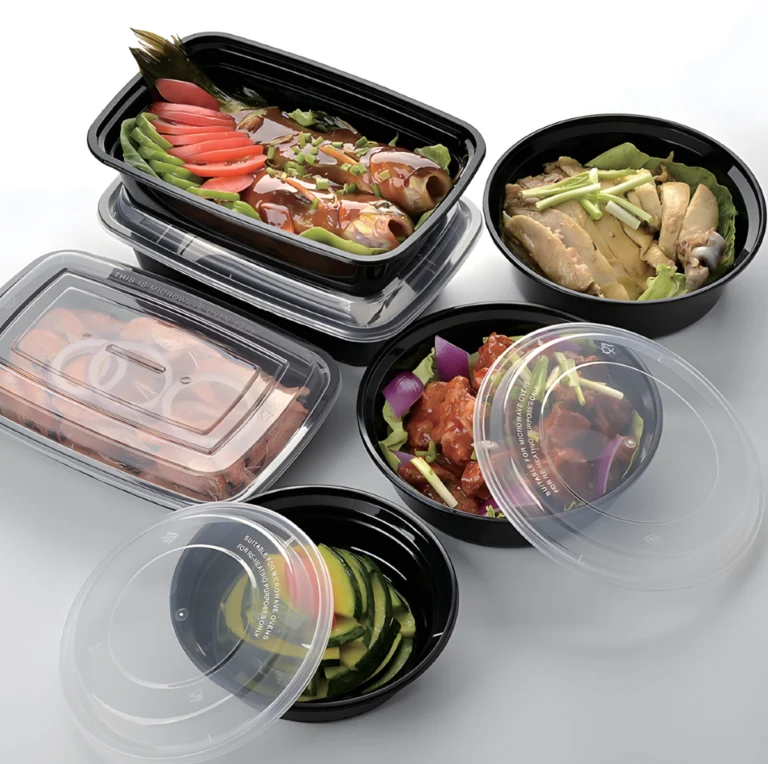
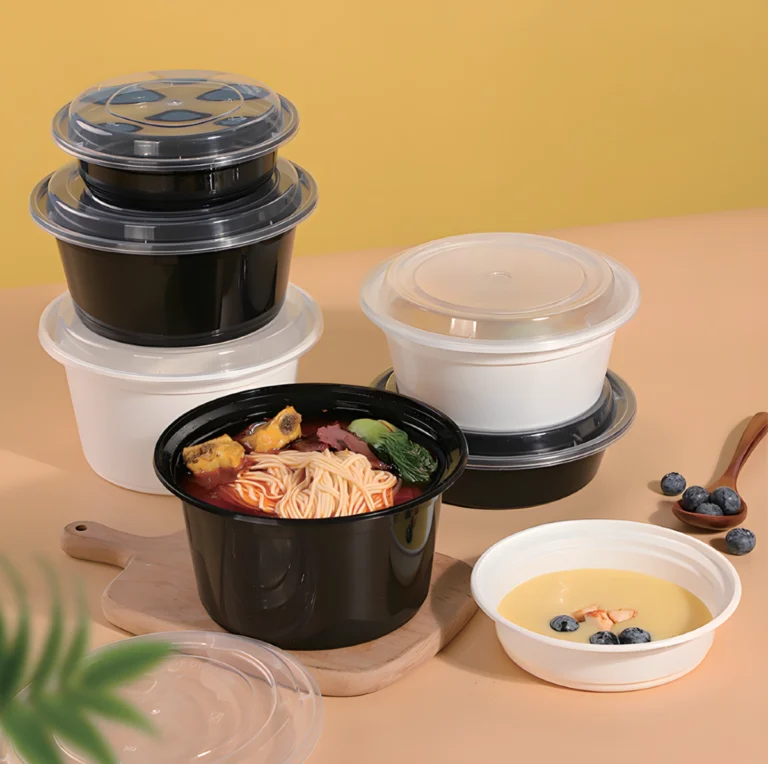
- Plastic Trays: Used for cupcakes and small cake pieces; protect against shocks and preserve shape.
- Clear Plastic Boxes: Ideal for showcasing beautiful desserts, such as macarons or decorated cookies.
Other types include cellophane bags, foam boxes, and aluminum foil trays—each with unique benefits and limitations.
Materials Used in Bakery Packaging
Choosing the right material is important for producing quality bakery packaging. Each has unique characteristics suited to different bakery products:
- Paper: The most popular for bakery packaging because it’s inexpensive, lightweight, and environmentally friendly. Types include kraft, coated, and recycled paper—each best for particular products.
- Plastic: Though it raises environmental concerns, plastic is good for packaging where clarity or toughness is needed.
- Foam: Suitable for packaging that needs extra shock protection, like multi-layer or intricately decorated cakes. Should be used with caution due to environmental impact.
- Recycled Materials: Gaining popularity for eco-conscious consumers. These might include recycled paper, bioplastics, or other natural materials.
Material selection should consider product type, storage period, and brand image. Also, consider environmental friendliness and biodegradability.
Design Considerations for Bakery Packaging
Good bakery packaging design should be both attractive and practical, while communicating the brand effectively. Key elements include:
- Shape and Size: Must match the product—not too big or small—and be convenient for transport. Shapes should guard against impacts and crushing.
- Colors and Graphics: Use colors and graphics that align with brand identity. Bright colors suit children’s treats; pastel tones suit premium bakeries.
- Labels and Information: Include vital info: product name, ingredients, expiry date, and store contact. Place info so it’s clear and visually appealing.
- Open/Close Mechanism: Should open/close easily but securely to maintain freshness.
- Transparency: Transparent areas let customers see the product inside, enhancing appeal.
- Sustainability: Efficient design minimizes unnecessary plastic use and opts for recyclable or biodegradable materials.
A good design helps create a strong first impression and adds value to your product.
Factors in Choosing Bakery Packaging
Selecting suitable bakery packaging requires careful consideration of multiple factors to meet both functional, marketing, and sustainability goals:
- Product Type: Each bakery item needs a specific package—cakes require sturdy boxes, cookies might only need simple paper bags.
- Shelf Life: Packaging should preserve freshness for the required duration; short shelf-life products may need ventilation.
- Cost and Budget: Packaging costs must be balanced with product price to ensure acceptable profit.
- Sustainability/Environment: Modern consumers prefer eco-friendly packaging. Recycled or biodegradable options are appealing.
- Transport and Storage: Packages should be easy to transport and store, for both store and customer.
- Regulations and Standards: Ensure packaging complies with food safety and environmental regulations.
- Brand Image: Should reflect the brand identity and values (e.g. a luxury bakery might opt for premium-looking packaging).
- Customer Convenience: Consider ease of opening/closing or potential for reuse.
Considering these factors thoroughly helps you choose bakery packaging that optimally protects products, impresses customers, and upholds brand image.
Packaging for Cakes
Cakes require special packaging as they are often fragile and need to keep their shape. Packaging for cakes comes in various forms:
- Types of Cake Boxes:
- Foldable cake boxes: Easy to store and space-saving.
- Rigid cake boxes: Maximum protection, suited for multi-layer or long-distance transport.
- Cake boxes with windows: Let customers see the cake without opening the box.
- Tall cake boxes: For highly decorated cakes, such as wedding cakes.
- Accessories for Cake Packaging:
- Cake boards: Make moving cakes in and out of the box easier.
- Box locks: Prevent boxes from opening during transport.
- Handles: Help customers carry cake boxes safely and conveniently.
When choosing cake packaging, consider cake size, shape, and transportation distance. Attractive design also adds value to your cakes.
Packaging for Cookies and Small Baked Goods
Cookies and small pastries require different packaging than cakes due to their size and packaging as sets. Proper packaging maintains crispness and flavor while attracting customers:
- Cookie Bags and Boxes:
- Paper bags: Suitable for small quantities, and can print logos/designs.
- Cardboard boxes: Offer more protection for delicate or decorated cookies.
- Cellophane bags: Show off the product inside—great for colorful cookies.
- Macaron Packaging:
- Clear plastic boxes: Showcase macarons’ beautiful hues.
- Cardboard boxes with slots: Protect macarons during shipping.
- Plastic trays with lids: Convenient for arranging and transport.
Other small baked goods, like brownies or tarts, can use cardboard boxes with internal dividers or tightly lidded plastic trays, which provide shock protection and preserve shape.
Choose packaging for small treats that emphasizes convenience and freshness. Unique and attractive design also helps make your brand memorable.